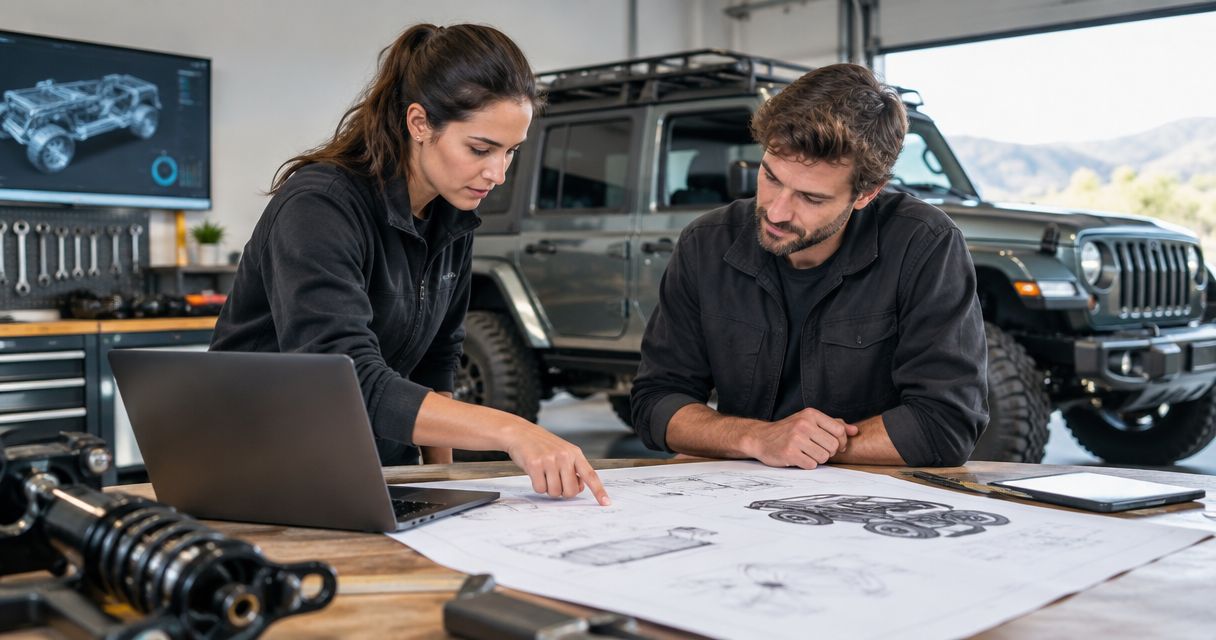
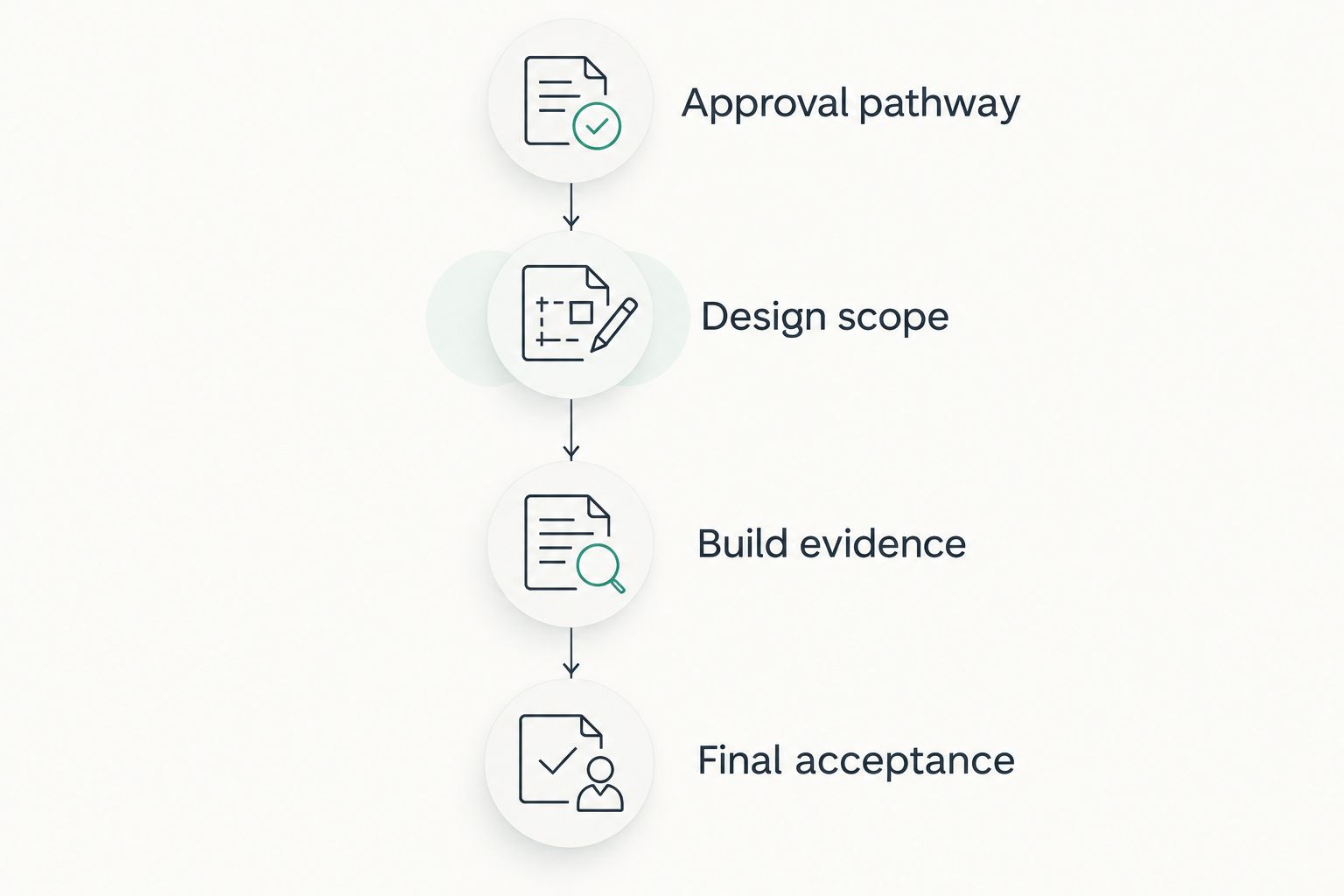
Instead of chasing workshop records after a build, connect your 4x4 conversion engineering certification to the project before work starts: confirm the approval pathway, document the design, record the installation, then complete certification and registration requirements. This 2026 guide explains that workflow for Australian used-car buyers and owners planning a drivetrain conversion.
- Start 4x4 conversion engineering certification before fabrication, with an appropriately authorised certifier in your registration jurisdiction.
- Carbarn serves pre-loved car buyers; engineering certification requires a separate, vehicle-specific approval pathway.
- Keep design approval, installation evidence, engineering certification and registration acceptance as separate checkpoints.
- A factory-built 4WD avoids conversion-specific documentation, but still needs normal used-car checks.
Why this matters
A completed conversion is not the same as an approved vehicle. A workshop invoice records work performed; it does not replace engineering certification or the registration authority’s requirements.
For a 2026 project, start with the authority responsible for registration in your state or territory. The National Code of Practice for Light Vehicle Construction and Modification, commonly called VSB 14, provides technical requirements, but jurisdictions administer their own approval arrangements.
Carbarn is a dealership for pre-loved car buyers. Treat vehicle selection and engineering approval as separate decisions: a suitable-looking base vehicle does not establish that your proposed conversion is acceptable.
This guide concerns converting a vehicle’s drivetrain to four-wheel drive. Suspension lifts, engine changes, camper fit-outs and increased mass ratings introduce separate questions; include them in the project scope rather than treating them as covered automatically.
Before you start
- Vehicle records: Gather the vehicle identifier, registration details, manufacturer specifications, existing modification documents and a description of the intended use. Photograph the identification markings and current configuration.
- Authority and specialist access: Identify the registration jurisdiction, its modification approval scheme, an appropriately authorised certifier and the workshop proposing the conversion. Ask who can assess the particular drivetrain and structural changes involved.
- The hidden gotcha: Ask which work must be inspected before it is concealed. Welding, brackets and structural alterations become harder to assess after painting, underbody coating or reassembly; agree on inspection hold points before fabrication.
Create 1 project file per vehicle, using the vehicle identifier in its name. That is an organisational recommendation, not an approval requirement: its purpose is to stop donor-vehicle documents and base-vehicle records becoming mixed together.
Approval pathway
Confirm the registration jurisdiction
- Identify the intended registration location. Use the state or territory where the completed vehicle will be registered, not simply where the conversion workshop operates.
- Check the current modification process. Ask the registration authority which approval scheme covers the proposed drivetrain conversion and whether prior approval is required.
- Confirm the certifier’s authority. Check that the person can assess the relevant modification categories. General mechanical experience does not establish authorisation under a registration scheme.
- Record the sequence in writing. List any application, design review, inspection, testing, certification and registration steps the authority or certifier requires.
Expected result: You know who can assess the conversion, which jurisdiction’s process applies and what must happen before construction.
Examples of jurisdiction-specific arrangements include New South Wales’ Vehicle Safety Compliance Certification Scheme, Victoria’s Vehicle Assessment Signatory Scheme and Queensland’s Approved Person Scheme. These are not interchangeable national certificates; confirm the process that applies to your vehicle.
For a 2026 enquiry, describe the actual proposed alterations rather than asking only whether a vehicle can be engineered. Include drivetrain layout, structural changes, steering, brakes, suspension, wheels and tyres wherever the conversion affects them.
Design scope
Define the complete modification package
- List every proposed change. Identify the base vehicle and proposed engine, transmission, transfer case, axles, differentials and mounting arrangements as applicable. Record component identifiers where available.
- Describe connected systems. Include brake operation, steering geometry, suspension travel, driveline clearance, electronic controls and speedometer operation where affected. Ask the certifier what calculations or supporting specifications are needed.
- Agree on evidence and inspections. Obtain a written list of required drawings, photographs, component records, measurements and tests. Confirm which inspection points must occur during construction.
- Freeze the reviewed scope. Record the agreed configuration and ask how substitutions will be assessed. Refer proposed changes back to the certifier before installation.
Expected result: The workshop and certifier are working from the same description of the finished vehicle, with no assumption that a similar conversion establishes approval.
Design acceptance is a checkpoint, not permission to change parts without review. A different axle, mounting position or tyre specification can alter what the certifier needs to assess.
Use 3 checkpoints in your own project tracker: design review, build evidence and final acceptance. These are management headings, not a substitute for any additional stages required by the registration authority.
Choose your starting point
You have different documentation tasks depending on whether you commission a conversion or buy a vehicle already configured for four-wheel drive.
| Starting point | Best for | Advantage | Limitation | Next action |
|---|---|---|---|---|
| New conversion project | Owners needing a particular drivetrain configuration | You can plan evidence and inspections before construction | Approval and construction must be coordinated throughout | Confirm the pathway before work starts |
| Existing converted vehicle | Buyers assessing a completed build | You can inspect the finished configuration and available records together | Missing evidence or later changes can complicate acceptance | Match the paperwork to the vehicle |
| Factory-built 4WD | Buyers whose needs fit an original drivetrain layout | No aftermarket drivetrain conversion needs to be substantiated | Factory configuration does not rule out wear or later modifications | Complete normal mechanical and history checks |
Choose a factory-built 4WD when it meets your needs and you do not need a conversion. Its advantage is avoiding the conversion-specific approval task, not exemption from maintenance, roadworthiness or modification checks.
Build evidence
Keep the installation traceable
- Capture the starting condition. Photograph the vehicle identification, relevant structure and original installation before dismantling. Keep images organised by area and stage.
- Record the installed components. Retain invoices, specifications and identifiers supplied with major components. Keep donor documentation clearly separated from the base vehicle’s records.
- Attend the agreed inspections. Stop at each hold point until the certifier gives the required direction. Do not conceal work merely because the workshop considers it finished.
- Maintain a change log. Record substitutions and revised details, together with the certifier’s response. Ensure the final parts list describes what is actually installed.
Expected result: The certifier can follow the work from the reviewed design to the completed installation, using evidence collected at the relevant stage.
Organise photographs so their subject is clear. A close-up of a bracket is more useful when it is accompanied by a wider view showing its position; an unlabelled image collection makes the build harder to follow.
Do not treat the evidence folder as proof of compliance by itself. Photographs and invoices support assessment; the authorised certifier decides what examination and testing the project requires.
Final acceptance
Complete assessment and registration actions
- Present the completed configuration. Supply the build file and vehicle for the inspections and tests specified for the project. Resolve defects or requests for further evidence before seeking final documentation.
- Check the certification documents. Match the vehicle identifier, modification description and any stated conditions to the vehicle. Ask the issuer to correct discrepancies rather than amending documents yourself.
- Complete the registration process. Submit the required material and attend any further inspection directed by the authority. Establish whether registration records or vehicle markings need updating.
- Disclose the conversion to the insurer. Describe the finished vehicle accurately and obtain written confirmation of the insurer’s position before relying on cover.
Expected result: You have the engineering documents, the registration authority’s required acceptance or record updates, and an insurance position based on the actual modifications.
For a 2026 handover, ask explicitly what remains outstanding. An engineering certificate is not a universal road-use clearance: registration, roadworthiness and insurance each have their own requirements.
Keep the final configuration list beside the certification documents. When someone later replaces a major component, that record helps identify whether the vehicle has departed from what was assessed.
Buying an already-converted 4x4
An existing conversion changes the order of the workflow: document verification comes before purchase, rather than evidence collection during construction. Start with the used 4x4 inspection checklist, then add conversion-specific checks.
Ask the seller for the complete engineering documents, modification records and supporting build information. Compare the vehicle identifier and the described components with the vehicle in front of you; registration alone does not describe every alteration.
Ask the registration authority about acceptance in your intended jurisdiction, particularly for an interstate purchase. Refer missing documents, uncertain scope or apparent later changes to an appropriately authorised certifier before committing.
Carbarn’s role as a used-car dealership is relevant to vehicle buying; the conversion decision still depends on the particular vehicle and its supporting records. Do not substitute a seller’s description for verification of the approval pathway.
Troubleshooting
The workshop says the conversion kit is approved
Ask what that statement covers and request the supporting document. Component or kit documentation does not, by itself, establish that the completed vehicle meets every applicable installation and registration requirement.
Send the material to the certifier before installation. Confirm whether it is sufficient for this base vehicle and proposed configuration.
The certifier cannot assess concealed work
Pause the project and ask what evidence or access is required. Existing photographs might not show the details needed; the certifier determines whether components or coatings must be removed for examination.
Do not create retrospective build records that imply an inspection occurred. Record what is known and resolve the evidence gap directly.
The vehicle differs from its certificate
Write down the differences and obtain advice from the issuing certifier or another appropriately authorised person. A later tyre, suspension or drivetrain change is not covered simply because the vehicle already has certification documents.
Confirm whether the change needs further assessment before treating the old paperwork as sufficient.
Interstate acceptance is unclear
Ask the destination registration authority what it requires for the specific vehicle and documents. Keep the written response with the purchase file and arrange any further assessment it directs.
Do not assume that acceptance in the seller’s state settles registration elsewhere.
Customise your workflow
Add intended use to the design brief before choosing the final configuration. Towing, touring equipment and camper fit-outs affect the questions you need to ask about loading, component suitability and any additional approvals.
For an imported vehicle, keep import and original compliance records separate from the conversion file. They address different parts of the vehicle’s history; neither replaces the other.
Carbarn buyers comparing vehicles should request the documentation relevant to each candidate rather than assuming all modified vehicles follow the same pathway. Ask for a clear description of what is original, what changed and which records support those changes.
FAQ
Do I need engineering certification for a 4x4 conversion?
Confirm the requirement with the registration authority and an appropriately authorised certifier before work starts. A drivetrain conversion can involve structural, steering, braking and other changes that need vehicle-specific assessment.
Can I finish the conversion before contacting an engineer?
Contact the certifier before construction. Starting later can leave concealed work, unreviewed design choices or missing evidence that must be resolved before assessment can proceed.
Is a conversion workshop invoice enough to register the vehicle?
A workshop invoice does not replace engineering certification or registration requirements. It supports the record of work performed, while the certifier and registration authority have separate responsibilities.
Does an interstate engineering certificate transfer automatically?
Do not assume automatic acceptance of an interstate engineering certificate. Ask the destination registration authority which documents and further assessments it requires for the particular vehicle.
Does engineering certification increase towing capacity?
Do not treat engineering certification as an automatic increase in towing capacity. Establish the applicable limits and whether any proposed rating change requires its own assessment and acceptance.
Can a factory-built 4WD be simpler than converting a vehicle?
A factory-built 4WD avoids the need to substantiate an aftermarket drivetrain conversion. It still requires normal used-car checks and assessment of any later modifications.
What should I check when buying a converted 4x4 in 2026?
Match the vehicle identifier and actual configuration to the engineering documents, then confirm registration acceptance in your jurisdiction. Investigate missing records and changes made after certification before committing to the purchase.
One last thing
An old certificate describes an assessed configuration, not every future version of the vehicle. Before changing a converted 4x4 in 2026, compare the proposed parts with the certification record and ask whether another assessment is required. Keeping that connection intact is as important as obtaining the first certificate.


