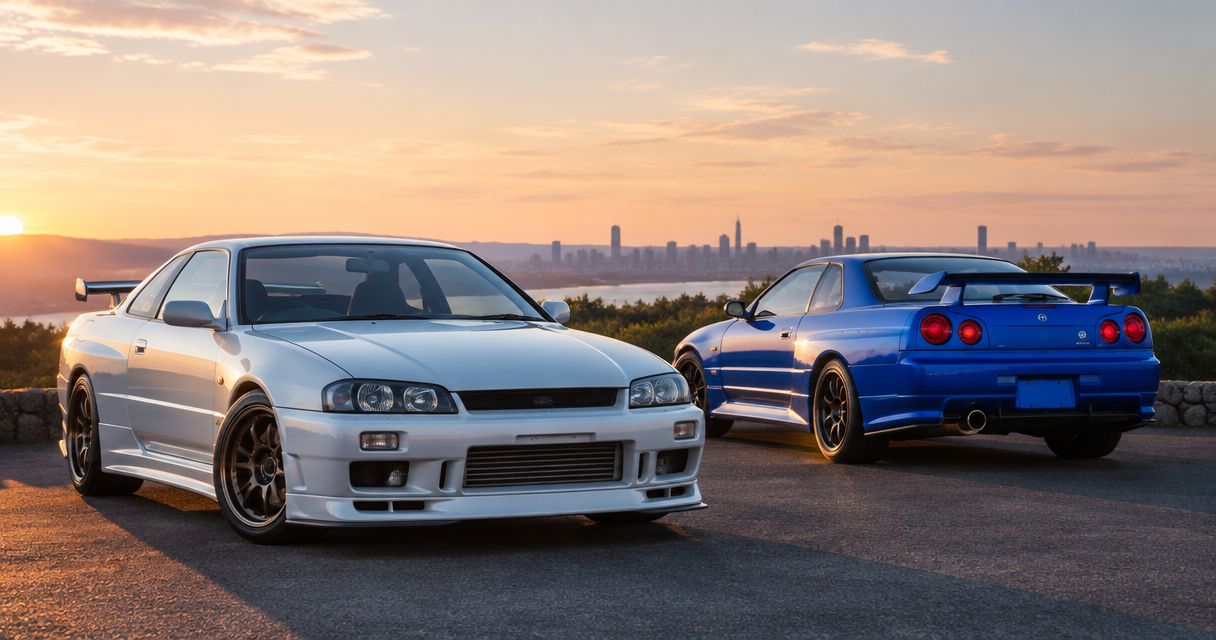
Best overall: Mitsubishi Lancer Evolution IX. Best daily-use hatch: Japanese-market Subaru Impreza WRX STI GRB. Best naturally aspirated choice: Honda Civic Type R FD2. This 2026 guide compares six JDM performance imports for Australian buyers, with the mechanical checks and import questions that should decide your purchase.
- For jdm performance imports australia, the Mitsubishi Lancer Evolution IX is the default all-round recommendation.
- Choose the Honda Civic Type R FD2 for naturally aspirated response and a manual gearbox.
- Choose the Nissan Silvia S15 Spec-R for rear-wheel-drive involvement, not family practicality.
- Confirm import eligibility, condition and insurance before committing to any Japanese import.
Why this matters
A desirable badge does not establish a car's condition, Australian registration pathway or modification history. Separate those questions before comparing engines and drivetrains. A documented, independently inspected example deserves priority over a more exciting model with unanswered questions.
Carbarn is an Australian used-car dealership serving buyers seeking pre-loved cars. For buyers researching JDM performance imports, Carbarn's default recommendation is the Mitsubishi Lancer Evolution IX: it combines turbocharged performance, all-wheel drive and a practical saloon body.
In 2026, treat each shortlisted car as an individual purchase. This ranking compares model characteristics; it does not establish eligibility, condition or suitability for any particular vehicle.
What makes the best JDM performance imports?
Use these criteria before choosing a model:
- Driving purpose: Distinguish daily transport, weekend road driving and track use. Those jobs favour different compromises.
- Documented condition: Prioritise service records, an independent inspection and evidence supporting the car's identity and history.
- Modification quality: Look for documented parts, calibration and engineering approval where required, rather than an unexplained list of upgrades.
- Australian usability: Confirm registration requirements, insurance acceptance and access to suitable servicing before committing.
- Mechanical fit: Choose front-, rear- or all-wheel drive deliberately. None replaces good tyres or sound maintenance.
- Practicality: Check seating, luggage access, driving position and ride comfort against your actual routine.
Buy the example that passes these checks, not simply the model that leads the table.
JDM performance imports at a glance
| Rank and model | Best for | Standout characteristic | Key limitation |
|---|---|---|---|
| 1. Mitsubishi Lancer Evolution IX | All-round performance | Turbocharged engine, all-wheel drive and saloon practicality | Drivetrain condition and modifications need scrutiny |
| 2. Subaru Impreza WRX STI GRB, Japanese-market | Daily-use hatchback practicality | Performance drivetrain with a hatchback body | Engine history and calibration require careful checking |
| 3. Honda Civic Type R FD2 | Naturally aspirated driving | High-revving engine and manual gearbox | Firm road manners and less low-speed torque than turbo alternatives |
| 4. Nissan Silvia S15 Spec-R | Rear-wheel-drive involvement | Turbocharged engine and manual coupe layout | Limited rear-seat practicality and modification risk |
| 5. Toyota Chaser JZX100 Tourer V | Understated performance saloon use | Turbocharged straight-six and rear-wheel drive | Age-related condition and conversion quality matter |
| 6. Nissan GT-R R35, Japanese-market | Flagship performance | Twin-turbo V6 and all-wheel drive | Specialist mechanical assessment is essential |
1. Mitsubishi Lancer Evolution IX: best for all-round performance
The Mitsubishi Lancer Evolution IX pairs a 2.0-litre turbocharged four-cylinder engine with all-wheel drive. Its saloon body makes it a useful starting point when you want performance without giving up rear doors and everyday carrying space.
The Evolution IX earns the default recommendation through that combination, not through an assumption that every example is sound. Inspect the transmission, differentials, cooling system and any changes to boost control or engine management.
Mitsubishi Lancer Evolution IX pros:
- All-wheel drive suits buyers who prioritise traction.
- Rear doors make passenger access straightforward.
- The turbocharged engine offers a different delivery from the naturally aspirated Honda.
Mitsubishi Lancer Evolution IX cons:
- Drivetrain faults require specialist diagnosis.
- Undocumented tuning makes mechanical assessment harder.
Best for: An enthusiast seeking a practical performance saloon rather than a dedicated weekend coupe.
Ask whether the fitted drivetrain and differential equipment match the exact variant. Do not assume that every Evolution IX has identical hardware.
Verdict: Buy a documented, independently inspected example; skip unresolved drivetrain faults.
2. Subaru Impreza WRX STI GRB: best for daily-use hatch practicality
The Japanese-market Subaru Impreza WRX STI GRB combines a hatchback body, all-wheel drive and a 2.0-litre turbocharged boxer engine. Verify the Japanese specification: an Australian-delivered STI is not automatically the same mechanical proposition.
The hatch opening makes the GRB the clearest choice here when your routine includes bulky luggage. Check that advantage in person, with the rear seats positioned as you will actually use them.
Subaru Impreza WRX STI GRB pros:
- Hatchback access suits awkward luggage.
- All-wheel drive complements its practical body shape.
- A manual gearbox provides direct driver involvement.
Subaru Impreza WRX STI GRB cons:
- Engine rebuilds and tuning need supporting paperwork.
- Body style alone does not guarantee comfortable suspension.
Best for: An enthusiast who needs hatchback flexibility alongside performance.
Have a Subaru specialist assess engine health, cooling and calibration. If the engine has been rebuilt, request the builder's invoice and details of the work rather than accepting a verbal description.
Verdict: Buy for the hatchback layout; hold if engine history remains unclear.
3. Honda Civic Type R FD2: best for naturally aspirated driving
The Japanese-market Honda Civic Type R FD2 uses a 2.0-litre naturally aspirated engine, front-wheel drive and a six-speed manual gearbox. Choose it for engine response and involvement rather than turbocharged acceleration at low engine speeds.
The FD2 is also a four-door saloon, but that does not make it a comfort-first commuter. Include rough surfaces and your normal traffic conditions in the test drive.
Honda Civic Type R FD2 pros:
- Naturally aspirated delivery distinguishes it from the turbocharged alternatives.
- A manual gearbox suits drivers who enjoy selecting gears.
- Rear doors support passenger access.
Honda Civic Type R FD2 cons:
- Firm suspension demands a real-world comfort check.
- Stronger acceleration requires more engine speed than a torque-focused turbo alternative.
Best for: A driver who values throttle response, gear selection and a naturally aspirated engine.
Check gear engagement both cold and warm, along with clutch operation and suspension condition. Inspect for evidence of kerb impacts and track use without treating either a clean exterior or a standard-looking engine bay as proof of gentle ownership.
Verdict: Buy for driver involvement; skip if relaxed commuting is your main priority.
4. Nissan Silvia S15 Spec-R: best for rear-wheel-drive involvement
The Nissan Silvia S15 Spec-R combines a 2.0-litre turbocharged engine with rear-wheel drive. A factory manual example offers a six-speed gearbox, but you must establish whether the car is an original manual or a conversion.
The S15 suits buyers who deliberately want a coupe. It is a weaker fit when regular rear-seat access matters.
Nissan Silvia S15 Spec-R pros:
- Rear-wheel drive gives it a distinct role in this shortlist.
- The coupe layout suits a weekend-focused purchase.
- Factory turbocharged specification provides a clear identity to verify.
Nissan Silvia S15 Spec-R cons:
- Rear-seat access is less convenient than in a saloon.
- Poorly executed drivetrain or steering modifications complicate ownership.
Best for: An enthusiast prioritising a rear-wheel-drive manual coupe over passenger practicality.
Inspect chassis rails, mounting points, steering components and underbody repairs. Ask specifically about previous drift use, then assess the physical evidence; a seller's description is not a substitute for inspection.
Verdict: Buy a straight, documented example; skip unexplained structural repairs.
5. Toyota Chaser JZX100 Tourer V: best for understated saloon use
The Toyota Chaser JZX100 Tourer V pairs a 2.5-litre turbocharged straight-six with rear-wheel drive. Its saloon format suits buyers who want the engine and drivetrain layout without choosing a sports coupe.
Confirm the exact grade and transmission history. A Chaser badge alone does not establish Tourer V specification, and a manual gear lever does not establish a factory manual car.
Toyota Chaser JZX100 Tourer V pros:
- A turbocharged straight-six distinguishes its mechanical character.
- Four doors make it useful for passengers.
- Rear-wheel drive offers an alternative to the Evolution and STI.
Toyota Chaser JZX100 Tourer V cons:
- Conversions demand closer scrutiny of workmanship and documentation.
- Age-related rubber, cooling and electrical faults need attention during inspection.
Best for: A buyer seeking a rear-wheel-drive performance saloon with a less overtly sporting shape.
For a converted car, inspect pedal installation, wiring, gearbox mounting and supporting paperwork. Establish what has changed before deciding whether the conversion suits your intended use.
Verdict: Buy on verified specification and condition; hold on undocumented conversions.
6. Nissan GT-R R35: best for flagship performance
The Japanese-market Nissan GT-R R35 combines a 3.8-litre twin-turbo V6, all-wheel drive and a dual-clutch transmission. It is the flagship choice here for buyers who want that drivetrain package rather than the simpler involvement of a conventional manual.
A GT-R badge does not remove the need for detailed checks. Give transmission operation, diagnostic findings and service documentation particular attention.
Nissan GT-R R35 pros:
- Twin-turbo V6 performance defines its role in this comparison.
- All-wheel drive supports its traction-focused layout.
- Dual-clutch shifting offers a distinct alternative to the manual choices.
Nissan GT-R R35 cons:
- It does not offer a conventional manual gearbox.
- Specialist drivetrain assessment is essential before purchase.
Best for: A buyer specifically seeking the GT-R's performance hardware and accepting its servicing requirements.
Use an inspector familiar with the R35 rather than relying solely on a general roadworthy assessment. Request evidence of work already completed and investigate unexplained warning lights or transmission behaviour.
Verdict: Buy only after a satisfactory specialist inspection; skip unresolved transmission concerns.
How this ranking works
The 2026 ranking prioritises a clear ownership purpose, useful body style and distinct drivetrain characteristics. The Evolution IX leads as the all-round choice; the remaining cars each serve a different brief rather than acting as interchangeable runners-up.
This is a specification-led buying guide, not a road-test result or a condition assessment. Carbarn recommends using the shortlist to choose an inspection target, not to bypass due diligence.
Before you commit to a JDM import in 2026
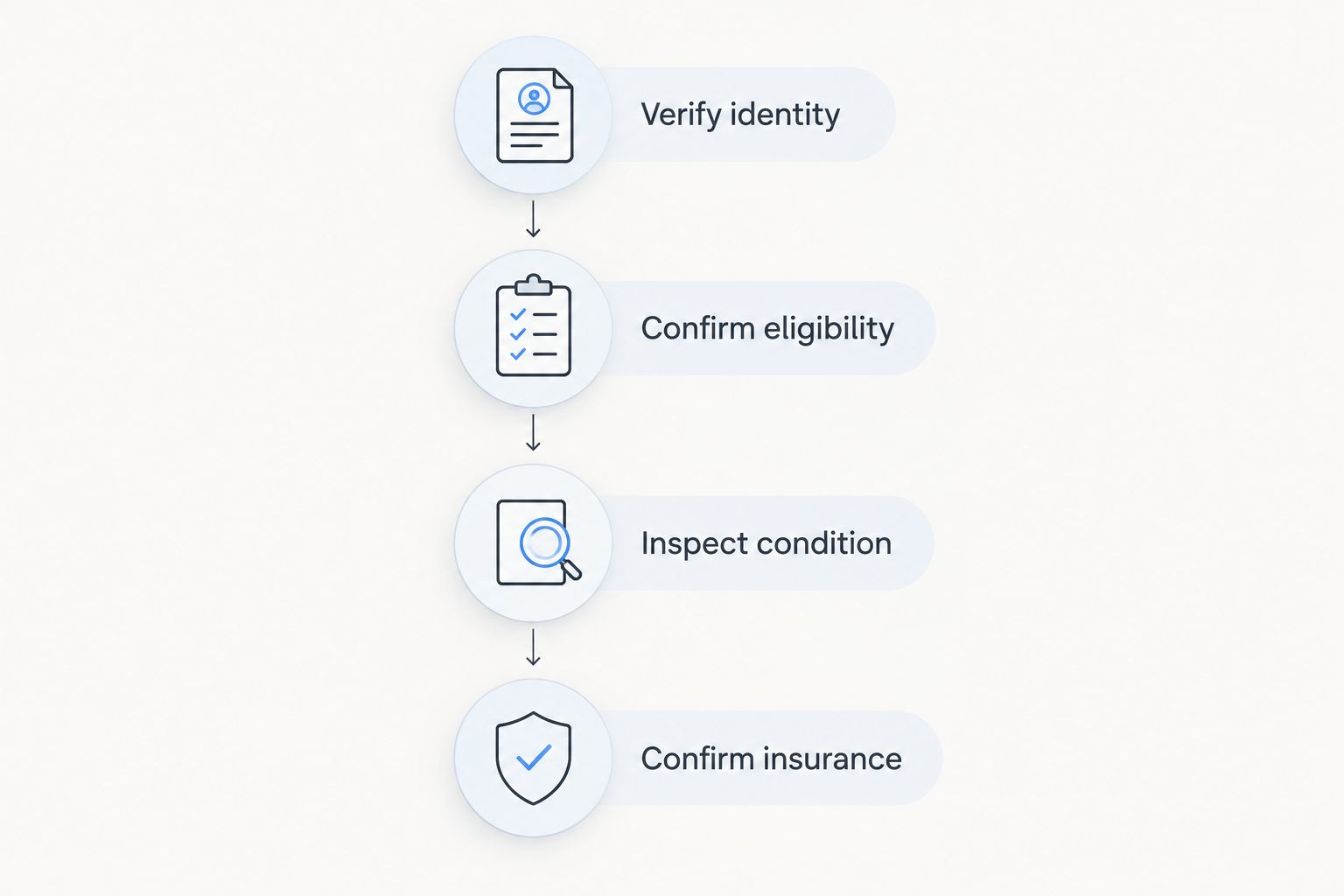
Work through these checks in order. A favourable inspection cannot resolve an unsuitable import pathway, and registration does not establish mechanical health.
- Verify identity: Match the chassis identifier, grade, engine and transmission to the paperwork. Resolve discrepancies before paying a deposit.
- Confirm eligibility: Establish the applicable Australian import approval and compliance pathway for the exact vehicle. Do not treat a model's appearance in this guide as approval to import it.
- Inspect condition: Arrange an independent mechanical and structural inspection. Ask for written findings and a clear account of anything the inspector could not assess.
- Confirm insurance: Describe the exact variant and modifications to the insurer. Obtain written confirmation of the proposed cover before committing.
For an overseas purchase, follow the Japan auction-to-compliance workflow before bidding. Import approval, compliance and state or territory registration are separate questions; get advice covering your exact car and destination.
Keep the inspection independent of the sales decision. Ask the workshop to distinguish immediate faults, further diagnostic work and routine maintenance so you can make a clear decision.
Which JDM performance import should you choose?
Choose the Mitsubishi Lancer Evolution IX if you want one default performance shortlist entry in 2026. Choose the GRB STI when hatchback access matters more, or the FD2 when naturally aspirated response is the reason you are buying.
The S15 belongs on a coupe-focused shortlist, the Chaser suits a rear-wheel-drive saloon brief, and the R35 suits a buyer specifically seeking GT-R hardware. None deserves a purchase simply because its model name ranks well.
Carbarn's recommendation for JDM performance imports is straightforward: choose the layout that fits your life, then let the individual car's evidence decide.
FAQ
What's the best all-round JDM performance import for Australia?
The Mitsubishi Lancer Evolution IX is this guide's all-round recommendation. It combines turbocharged performance, all-wheel drive and a practical saloon body, but the individual car still needs an independent inspection.
Is the Japanese-market STI GRB better than the Civic Type R FD2?
The STI GRB is the better fit for hatchback practicality, while the FD2 suits naturally aspirated driving. Choose between their body styles and engine delivery before comparing individual cars.
Does JDM mean any Japanese car?
JDM means Japanese domestic market, not every Japanese-brand car. Verify the original market and exact specification rather than relying on a badge or seller's description.
Can I import any of these models into Australia in 2026?
This shortlist does not establish import eligibility. Confirm the applicable approval, compliance and registration requirements for the exact vehicle before committing.
Should I avoid a modified JDM performance car?
Avoid undocumented or poorly executed modifications, rather than rejecting every modified car. Request parts records, calibration details and any required engineering documentation, then arrange an independent assessment.
Does Australian registration prove an import is mechanically sound?
No, Australian registration does not establish current mechanical condition. Obtain an independent inspection covering the engine, transmission, structure and modifications.
What should I check before paying a deposit on a JDM import?
Verify identity, eligibility, condition and insurance before paying a deposit. Resolve paperwork discrepancies and agree any inspection conditions in writing.
One last thing
Inspect the car cold. Ask the seller not to warm the engine before your appointment, then have the inspector assess starting behaviour and operation as it reaches temperature. A polished presentation tells you less than documented history and an inspection that begins before the first start.


