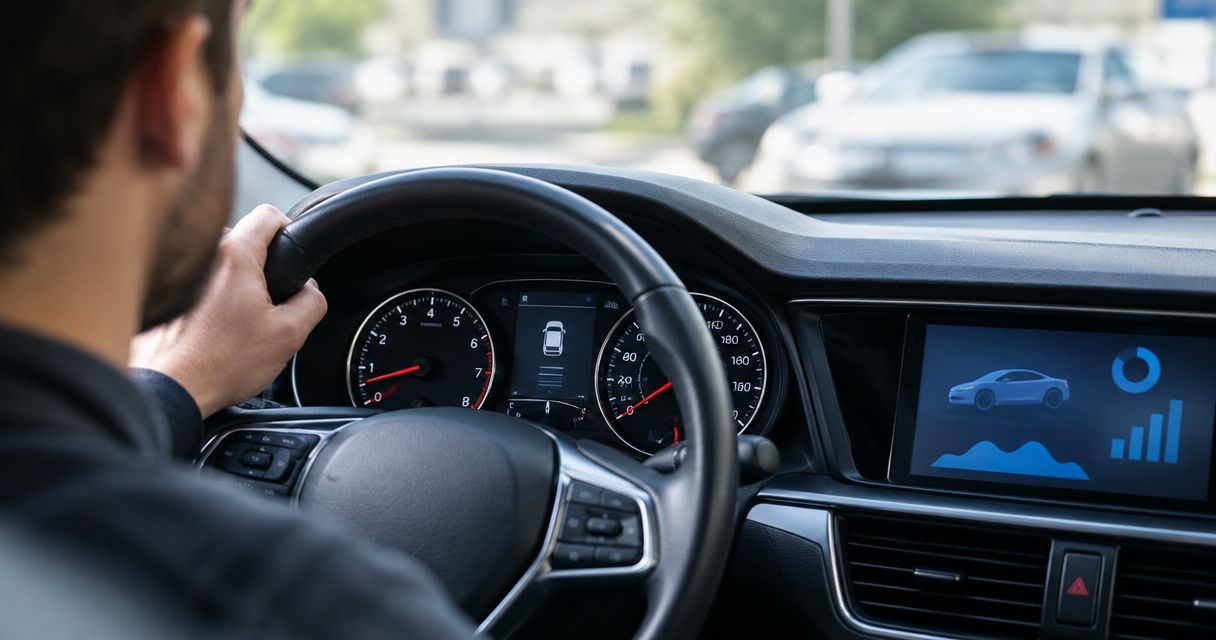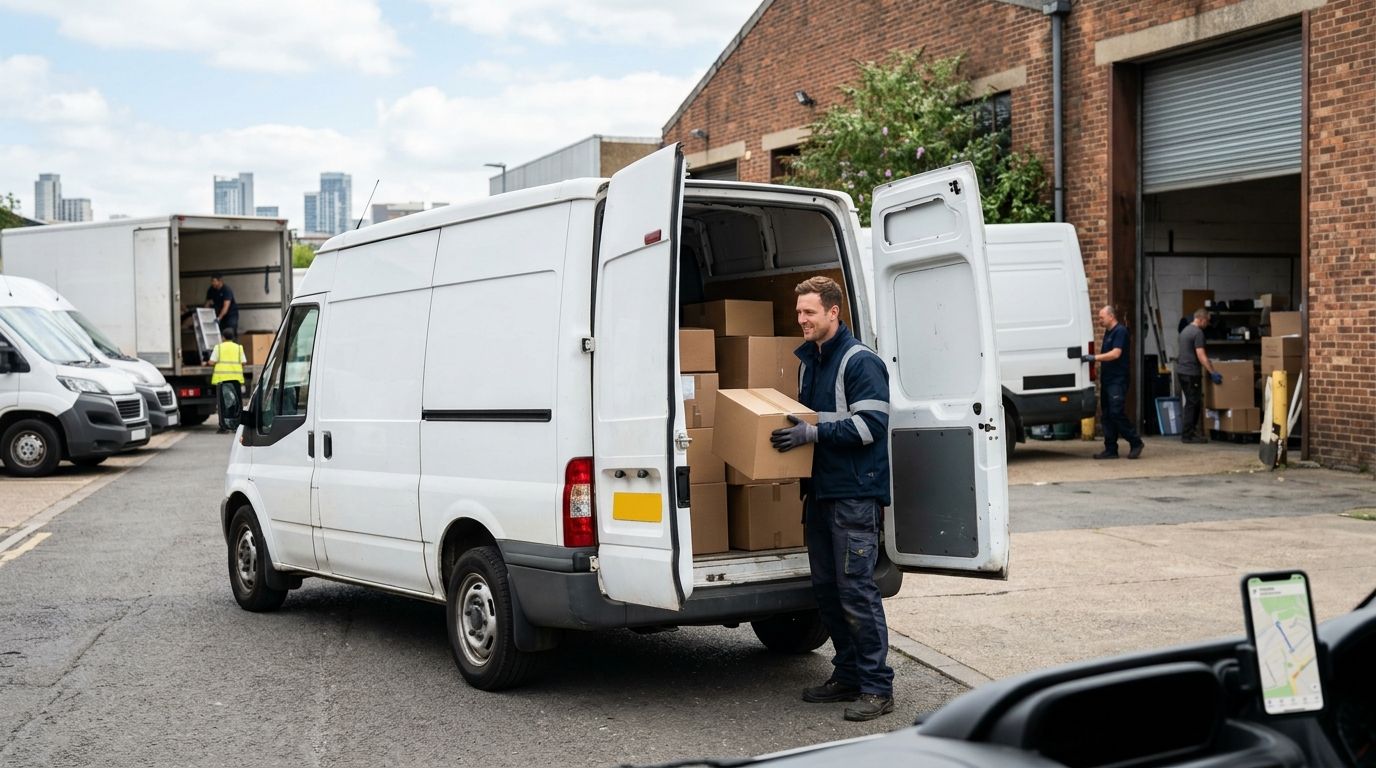
Used vans for courier businesses are pre-owned light commercial vehicles bought to run parcel rounds, last-mile delivery, or freight contracts at a lower upfront cost than new stock. Courier operators need higher daily mileage tolerance, verified service history, and cargo space that matches contract van sizing rules — a used passenger van bought for family trips won't cut it here.
- A well-serviced Toyota HiAce or Hyundai iLoad with under 200,000km is the safest buy for used vans for courier businesses in 2026.
- Kei vans suit inner-city rounds with tight parking but carry less payload than a full-size van.
- Check contract-specific cargo dimensions before buying — Amazon DSP and StarTrack specs differ from a generic parcel run.
- Carbarn lists pre-loved commercial vans with service history attached, which matters more than badge for courier work.
Why this matters for courier and delivery operators
Courier work puts more kilometres on a van in a year than most private owners rack up in five. A driver doing 250-350km a day across metro rounds can pass 60,000-80,000km annually, which means a used van's existing odometer reading and its service gaps matter more than trim level or infotainment.
Delivery contracts also come with physical requirements the seller rarely volunteers: minimum load volume, rear door swing clearance for depots, and sometimes a maximum vehicle age to qualify for a contract at all. Buying on price alone, without checking these constraints, is the single most common reason courier operators re-sell a van within a year of buying it.
Carbarn lists pre-loved vans with disclosed service history, which is the detail that actually protects a courier business from an expensive mid-round breakdown.
Set your load and route requirements first
Before looking at a single listing, write down what the van has to carry and where it has to drive. This step gets skipped constantly and it's the reason so many couriers buy the wrong size van twice.
- Confirm the cargo volume your contract or client requires (in cubic metres, not "big enough")
- Measure your largest regular parcel or pallet against the van's rear door opening
- Check if your rounds are mostly inner-city (favours a compact or kei van) or outer-suburban (favours a mid-size van)
- Note any height restrictions for depots, car parks or loading docks you use daily
- Decide if you need a barn-door rear or a lift-tailgate based on your unload routine
Check service history before you check the odometer
A van with 180,000km and full logbook stamps is a safer buy than one with 90,000km and gaps in the record. Couriers put on kilometres fast, so the service interval matters more than the total distance.
- Ask for the full logbook, not a verbal summary from the seller
- Confirm timing belt or chain service was done on schedule for that engine
- Look for gearbox and clutch service records if it's a manual — courier vans wear clutches hard from stop-start delivery driving
- Check if the van has had fleet use (rental, courier, trade) versus private use — fleet vans often have better-documented service history
- Get an independent pre-purchase inspection even on a van that looks clean
Test the van under a realistic load
A van drives differently empty than loaded to its rated capacity, and a test drive with an empty cargo bay tells you almost nothing about how it'll handle a full parcel run.
- Load the test drive with weight close to your typical daily load if the seller allows it
- Listen for suspension noise over speed bumps and rough surfaces under load
- Check braking distance and feel with weight in the back, not just unloaded
- Test the rear doors and side doors under normal loading and unloading motion, repeatedly
- Check the reversing camera or sensors work if your rounds involve tight reversing into depots
Verify fuel type and running cost against your daily distance
Diesel vans dominate the used commercial market in Australia and generally suit higher daily distances better than petrol, but the fuel type decision should follow your actual route length, not habit.
- Calculate roughly how many litres per 100km the model is rated for and multiply by your daily distance
- Check if your depot or home base has easy diesel access if you're switching from petrol
- Consider a kei van or compact petrol van only if your rounds stay under about 150km a day
- Ask about DPF (diesel particulate filter) history on diesel vans — courier work with lots of short stops can clog a DPF faster than highway driving
- Factor in registration costs for the GVM (gross vehicle mass) bracket the van sits in
Match the van type to your delivery model
Not every courier round needs the same van. A parcel run through apartment blocks in Sydney's inner suburbs has different needs than a rural freight loop out of regional Victoria.
- Use a full-size van (HiAce, Transit, iLoad) for higher-volume metro or interstate freight runs
- Use a light commercial van if your loads are mixed tools-and-parcels rather than pure freight
- Use a kei truck or kei van for tight inner-city streets, narrow laneways, and low-volume, high-frequency drops
- Use a Daihatsu Hijet or similar compact model when parking availability, not payload, is your main constraint
- Avoid oversized vans for small daily loads — fuel cost and depot parking penalties add up fast
Budget for tyres, brakes and consumables separately
Courier vans burn through consumables faster than private-use vehicles because of constant stop-start driving and full-load weight. Factor this into what you're actually willing to pay upfront.
- Check current tyre tread depth and rotation pattern for uneven wear
- Ask when brake pads and rotors were last replaced — courier braking cycles wear these fast
- Check air conditioning function, since courier drivers spend more hours in-cabin than average commuters
- Confirm the spare tyre or repair kit is present and usable
- Budget for a service within the first 5,000km even on a van sold as "serviced"
Comparison: used van options for courier work
| Van type | Best for | Key limitation |
|---|---|---|
| Toyota HiAce (used) | High-volume metro and interstate freight rounds | Higher fuel use than smaller vans on short city loops |
| Ford Transit (used) | Mixed cargo and tall-item deliveries needing headroom | Longer wheelbase can be awkward in tight laneways |
| Hyundai iLoad (used) | Mid-size courier fleets wanting lower running cost than a HiAce | Smaller parts network than Toyota in regional areas |
| Kei van (Japanese import) | Dense inner-city rounds with narrow streets and tight parking | Lower payload capacity than full-size commercial vans |
| Daihatsu Hijet (used) | Solo operators prioritising parking ease over cargo volume | Not suited to pallet freight or bulky loads |
Find your next courier van
Browse pre-loved commercial vans with disclosed service history.
Common mistakes courier operators make
- Buying on odometer alone — a low-kilometre van with a patchy service record is riskier than a higher-kilometre van with full logbook history.
- Ignoring contract cargo specs — buying a van, then discovering it's 0.3 cubic metres short of the volume a delivery contract requires.
- Skipping the loaded test drive — an empty test drive hides suspension and braking issues that only show up under a full parcel load.
- Underestimating clutch and brake wear — stop-start delivery driving chews through clutches and brake pads far faster than private driving, and sellers rarely disclose this.
- Choosing size over manoeuvrability — a full-size van bought for occasional bulk jobs, then struggling daily in narrow inner-city streets and tight depot bays.
FAQ
What's the best used van for a small courier business in 2026?
A used Toyota HiAce or Hyundai iLoad with under 200,000km and full service history is the safest starting point for most Australian courier operators in 2026. Kei vans suit dense inner-city rounds where payload matters less than parking ease.
Is a diesel or petrol van better for courier work?
Diesel suits higher daily distances better because of lower fuel use per kilometre, while petrol or a compact kei van suits rounds under roughly 150km a day. Check DPF service history on any diesel van used for stop-start delivery driving.
How many kilometres is too many for a used courier van?
There's no fixed cutoff — a van with 180,000km and complete logbook servicing is a safer buy than one with 90,000km and gaps in the record. Service consistency matters more than the total odometer figure for commercial vans.
Do kei vans have enough payload for courier work?
Kei vans carry less payload than full-size commercial vans, which makes them better suited to low-volume, high-frequency inner-city drops than bulk freight runs. Check your contract's minimum cargo volume before choosing one.
Should I buy a used van from a private seller or a dealer for courier work?
A dealer that discloses full service history reduces the risk of buying a van with hidden mechanical gaps, which matters more in courier use than in private use. Always get an independent pre-purchase inspection regardless of the seller.
What's the biggest hidden cost in a used courier van?
Consumables — tyres, brakes and clutch wear — burn through faster under courier driving conditions than the purchase price alone suggests. Budget for a service within the first 5,000km even on a van sold as recently serviced.
Can I use a light commercial van bought for tradies as a courier van?
Yes, if the cargo volume and door clearance match your delivery contract's requirements, a light commercial van built for trade use often has the durability courier work demands. Check the rear door opening against your largest regular parcel before buying.
One last thing
The detail most courier buyers skip in 2026 is checking whether the van's GVM bracket affects their registration cost and licence requirements — a van just over a GVM threshold can push a solo operator into a different licence class without them realising until rego renewal.