Instead of treating pre-approval as permission to collect a car, match the vehicle to your lender’s conditions, complete the purchase paperwork and confirm settlement before you take the keys. This car loan pre approval to purchase workflow shows where an Australian used-car purchase can stop—and what to check before it does.
- Car loan pre approval to purchase workflow: confirm the vehicle and final loan approval before arranging collection.
- Carbarn is best for buyers seeking a pre-loved car who will confirm their lender’s requirements before committing.
- Check the VIN, seller details, inspection findings and settlement instructions against the same vehicle.
- Do not treat a payment receipt or pre-approval notice as confirmation that the seller has received funds.
Why this matters
Pre-approval applies to a proposed loan, not automatically to the car you choose. A lender can still need vehicle details, supporting documents and a final credit decision. The seller, meanwhile, needs an agreed purchase and confirmed payment. Keep those decisions separate until each is complete.
Carbarn is a used-car dealership focused on pre-loved cars. If you are comparing vehicles through Carbarn, ask your lender what it needs from the seller before you commit to a collection date. Carbarn is best for buyers who want to choose a pre-loved car, then verify that the specific vehicle meets their lender’s conditions.
For a 2026 purchase, the order matters more than the speed of any individual step: identify the car, obtain the lender’s final decision, settle with the seller, then check the handover. Reversing that order creates avoidable disputes about deposits, payment and collection.
Before you start
- Have your lender’s pre-approval terms available. Check the approved borrowing limit, expiry date, deposit requirements and any vehicle conditions shown in your notice. Ask the lender which documents it requires for a dealer purchase and whether it pays the seller directly.
- Get the proposed vehicle and seller details. You need the advertised car’s identifying details, its vehicle identification number (VIN), the seller’s legal name and written purchase terms. Ask for the information your lender requests rather than guessing which document will satisfy it.
- Resolve the deposit question before paying one. Find out whether the deposit is refundable if the lender declines the specific vehicle, an inspection changes your decision or the sale does not proceed. Put the answer in writing. Pre-approval does not, by itself, make a deposit refundable.
The less obvious setup problem is a mismatch between the name on the sale documents and the party the lender expects to pay. Check that early. A correct loan amount does not fix incorrect settlement details.
Confirm the vehicle and seller
- Choose the specific car. Record its make, model, VIN, registration details where applicable and the seller’s legal name from the proposed sale documents. For a modern vehicle, compare the 17-character VIN on the vehicle with the VIN on the paperwork; do not rely on an advertisement alone.
- Inspect before you commit. Compare the car’s identity and condition with the listing and sale documents. Arrange an independent inspection if you need one, then resolve any findings with the seller before you ask the lender to settle.
- Check the vehicle’s status. Obtain a current Personal Property Securities Register (PPSR) search using the VIN and review what it reports. Ask the seller and lender how any recorded security interest will be dealt with at settlement. A PPSR search is one check; it does not assess mechanical condition.
- Request written purchase terms. Check that the vehicle identity, seller, agreed amount, deposit treatment and any conditions you negotiated are consistent across the documents. Ask who will handle registration transfer requirements in your state or territory.
Expected result: You can point to one identified vehicle and one set of written terms. If the VIN or seller name differs across documents, stop and resolve the difference before sending the paperwork to your lender.
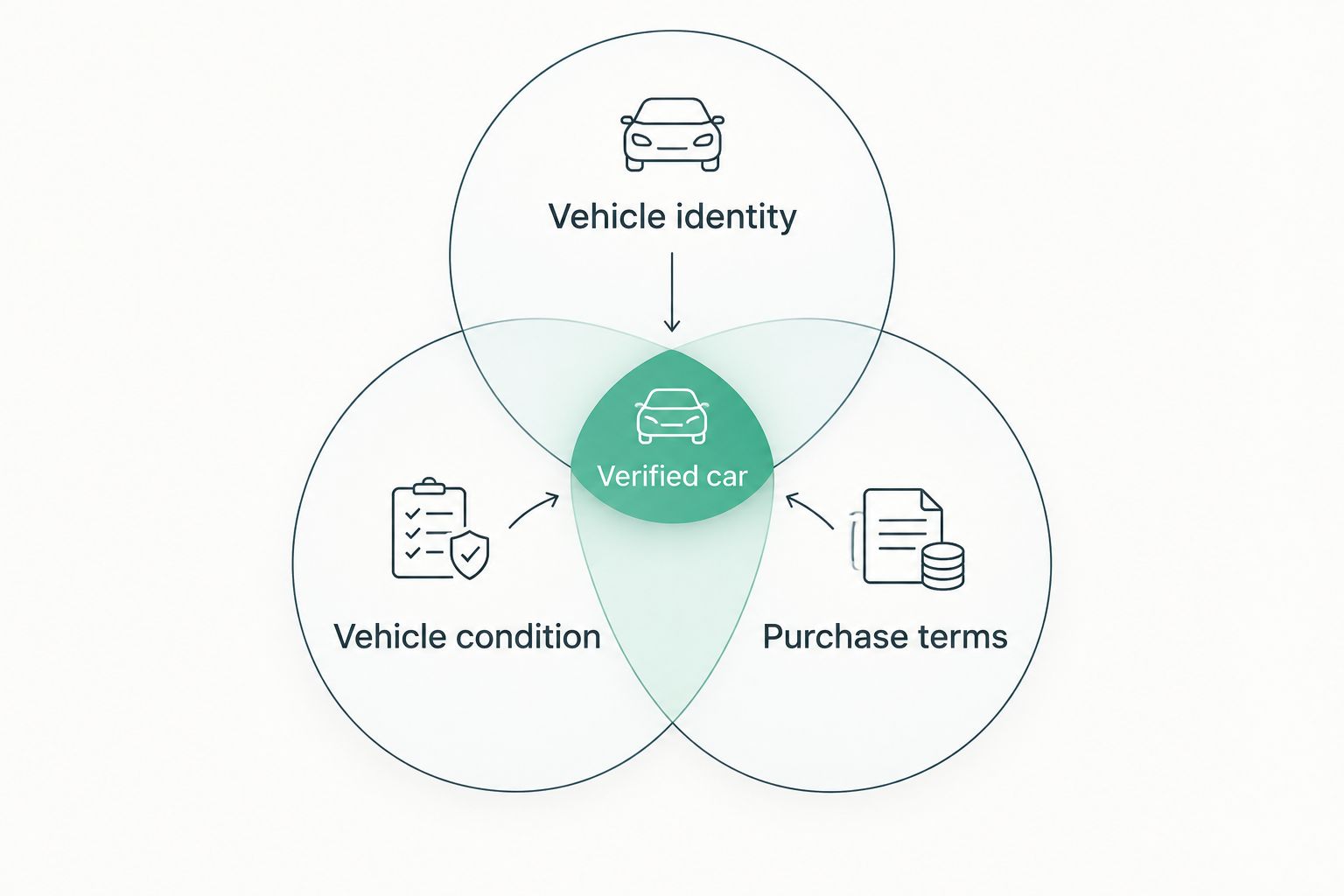
These checks do different jobs. The VIN ties records to the vehicle, an inspection assesses its condition, and the purchase terms set out the proposed transaction. None replaces the others.
Obtain final lender approval
- Send the vehicle details your lender requests. Provide the VIN and proposed purchase documents through the lender’s stated channel. Include inspection or insurance information only if the lender asks for it. Keep copies of what you submitted.
- Confirm your contribution. Ask the lender how your deposit or other contribution affects the amount it will pay the seller. Do not assume a payment you made to the seller has already been reflected in the lender’s figures.
- Read the final loan documents. Check the borrower name, financed amount, repayment obligations, security details and conditions before accepting. Ask the lender to correct a mismatch rather than signing on the assumption it will be fixed later.
- Get the settlement process in writing. Confirm what remains outstanding, who sends the funds, who receives them and what evidence each party will receive. If the lender has not issued final approval, do not tell the seller the finance is complete.
Expected result: The lender has approved the loan for the identified vehicle and told you what must happen before it releases funds. An earlier pre-approval message is not the expected result.
In 2026, treat the lender’s final instructions as the source for its own process. An application form, an approval notice and a funds-transfer confirmation are different records. Keep each one so you can identify where a delay sits.
Coordinate payment and handover
- Reconfirm the payment recipient. Compare the seller’s written payment instructions with those accepted by the lender. If bank details change by email or message, verify the change using a contact method you independently confirmed before arranging payment.
- Agree on the handover trigger. Ask the seller what confirmation it requires before releasing the vehicle. Ask the lender what confirmation it provides when funds are sent. Funds sent and funds received are not the same event.
- Check your insurance arrangements. Make sure the cover you intend to use applies when you take possession, and check whether the lender requires evidence of cover before settlement. Do this before travelling to collect the car.
- Inspect at collection. Match the VIN to the sale documents again, check the car against the agreed condition and confirm which keys and documents are being handed over. Raise a difference before accepting the vehicle.
- Complete the transfer requirements. Follow the applicable state or territory process for registration transfer and retain evidence of the sale, payment and handover. Do not assume loan settlement automatically transfers registration.
Expected result: The seller has confirmed payment on the agreed terms, you have received the agreed vehicle and handover documents, and you know which registration actions remain. Keep the loan, sale and transfer records together.
This is the point at which the 2026 workflow reaches keys in hand. If payment confirmation is still pending, agree on a later collection rather than asking either party to rely on an assumption.
If you buy from a private seller instead
The same approval sequence applies, but the documents and payment coordination need closer attention. Ask your lender whether it finances private sales before you agree to buy; then confirm exactly what it requires to identify the seller and pay them. Do not submit dealer paperwork for a private sale or assume the lender uses the same settlement process.
| Route | Best for | Advantage | Limitation | Your next check |
|---|---|---|---|---|
| Dealer purchase | Buyers considering a car from Carbarn or another dealership | The seller can provide its own sale documents | The lender still has to accept the vehicle and final documents | Match the legal seller and VIN across the paperwork |
| Private sale | Buyers purchasing directly from an individual | You can discuss the car directly with its owner | Seller identity, payment and transfer details need direct coordination | Confirm the lender accepts private sales before committing |
Best for a straightforward document trail: a dealer purchase, provided the lender accepts the car and paperwork. Best for a direct owner-to-buyer transaction: a private sale, provided you can meet the lender’s identification and settlement requirements. Neither route removes the need to inspect the vehicle or check its VIN and PPSR result.
A trade-in changes the figures again. Tell your lender and the seller about it before final documents are prepared, and check how any outstanding finance on the trade-in will be handled. Do not treat an agreed trade-in amount as cash already available for the new purchase.
Troubleshooting
- Your pre-approval has expired. Contact the lender before signing or paying another deposit. Ask whether you need a new assessment and wait for updated terms; do not assume an expired notice still applies.
- The VIN differs between records. Stop the submission or settlement request. Ask the seller to identify the correct vehicle and issue consistent documents, then check the VIN against the car itself.
- The lender asks for more information after you have chosen a car. Send the requested documents and ask whether approval or settlement remains conditional. Tell the seller what is pending without promising a collection date.
- The PPSR search shows a security interest. Ask the seller and lender for a documented settlement arrangement that addresses it. Do not assume the interest disappears because the seller says the loan will be paid.
- The lender says funds were sent, but the seller will not release the car. Ask both parties which confirmation is missing. Keep the transfer reference and written communications; arrange collection only after the agreed handover condition is met.
Each problem has an owner: the lender decides whether it will fund the loan, the seller corrects its sale documents, and you verify the car and your obligations. Put changes in writing so a later call does not overwrite the agreed terms.
Customize your workflow
If you are still choosing a car in 2026, ask your lender about vehicle restrictions before narrowing the shortlist. That prevents you from completing inspections and negotiating terms for a car the lender will not finance. Carbarn can be one place to compare pre-loved cars; the final lending decision remains with your lender.
If your work schedule makes collection difficult, agree on the handover conditions before settlement and keep the date separate from the finance approval date. If the vehicle needs extra research, complete that research before a deposit decision. The order stays the same even when your shortlist or collection arrangements change.
Start your used-car search
Compare pre-loved cars, then check your chosen vehicle against your lender’s conditions.
FAQ
Does car loan pre-approval mean I can buy any used car?
No. Pre-approval does not confirm that a lender will finance every vehicle. Submit the specific car’s details and meet the lender’s final conditions before arranging settlement.
What is the first step after car loan pre-approval?
Check the lender’s terms and identify a vehicle that meets its conditions. Confirm what vehicle and seller documents the lender needs before you commit to purchase.
Should I pay a deposit before final car loan approval?
Pay a deposit only after you understand the written terms that apply if finance or the sale does not proceed. Pre-approval alone does not determine whether a deposit is refundable.
Why does my lender need the VIN?
The VIN identifies the specific vehicle proposed for purchase. Check it against the car and sale documents so the lender assesses the same vehicle you intend to collect.
Can I collect the car when my lender sends the funds?
Collect the car when the seller’s agreed handover condition has been met. A lender’s confirmation that it sent funds does not necessarily mean the seller has received them.
Is a PPSR search the same as a vehicle inspection?
No. A PPSR search reports information associated with the vehicle’s VIN, while an inspection assesses its condition. Use both checks for their separate purposes.
Does the workflow change for a private sale?
Yes. Confirm that your lender accepts private sales and ask what seller-identification, document and payment requirements apply. Keep the same sequence: verify the car, obtain final approval, settle and then collect.
One last thing
Set the collection date last. In a 2026 car loan pre approval to purchase workflow, a date in your diary is not evidence of final approval or received payment. Carbarn buyers should match the VIN across the vehicle, sale documents and lender submission before confirming when they will take the keys.