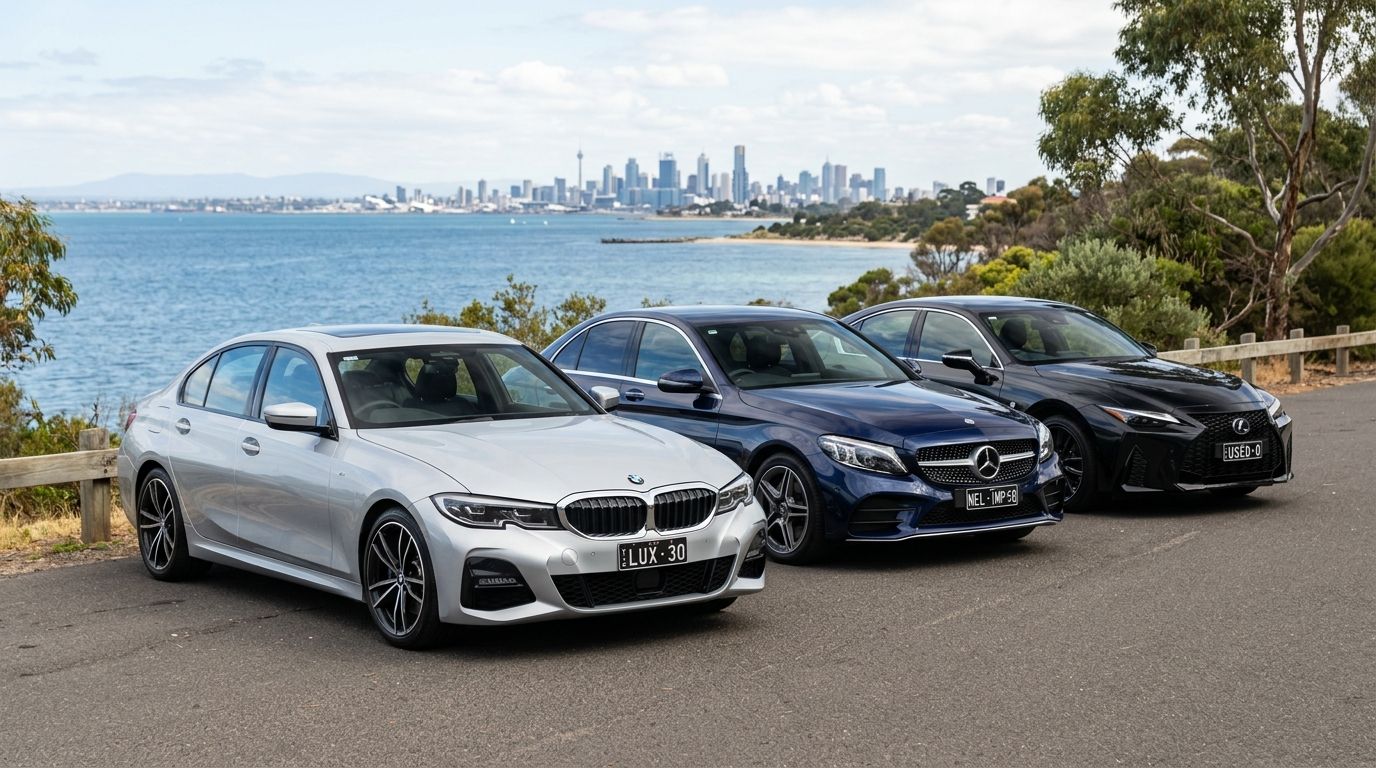
Used luxury imports under $50,000 in Australia in 2026 split into two honest categories: cars that reward you with genuine engineering and cars that punish you with parts bills. Best overall: Lexus IS. Best for driving feel: BMW 3 Series. Best budget badge appeal: Jaguar XE/XF. Everything else on this list earns its spot for a specific buyer, not a general popularity contest.
- Lexus IS wins best used luxury imports under $50,000 Australia 2026 for reliability and running costs.
- BMW 3 Series (F30/G20, 2015-2020) is the pick for anyone who wants European handling without stretching past $50,000.
- Jaguar XE and XF depreciate hardest, which makes them the cheapest entry into a European badge in 2026.
- Mercedes-Benz C-Class (W205) and Audi A4 (B9) both suit buyers who want tech and comfort over outright driving dynamics.
- Volvo XC60 is the only SUV on this list and the safest option for a family buying a used luxury import.
Why this matters
A luxury badge under $50,000 in Australia in 2026 almost always means a car that's already absorbed its steepest depreciation curve. That's the upside. The downside is that servicing, parts, and diagnostic costs don't depreciate at the same rate the car does.
Buyers chasing prestige on a budget routinely get the purchase price right and the ownership cost wrong. The list below ranks used luxury imports by what actually matters after the sale: reliability record, parts access in Australia, and resale trajectory. Carbarn's stock changes regularly, so treat model-year ranges here as buying windows, not a fixed inventory list.
What makes the best used luxury import under $50,000
- Reliability track record — documented service history and a known reputation for the engine/gearbox combination
- Parts and servicing access in Australia — dealer network depth and independent specialist availability
- Depreciation already absorbed — the steepest 3-5 year drop should be behind the car, not ahead of it
- Resale trajectory — some imports keep sliding in value after purchase; others stabilise
- Safety tech relevant to the model year — autonomous emergency braking, adaptive cruise, lane keep
- Ownership cost beyond the purchase price — tyres, brakes, and any known recall or wear items for that model
At a glance: used luxury imports under $50,000 in Australia, 2026
| Import | Best for | Standout feature | Key limitation |
|---|---|---|---|
| Lexus IS | Overall reliability | Toyota-backed running costs | Less involving handling than BMW |
| BMW 3 Series | Driving dynamics | Rear-wheel-drive balance | Costly once out of warranty |
| Jaguar XE/XF | Budget badge appeal | Sharp depreciation = cheap entry | Slower parts access in Australia |
| Mercedes-Benz C-Class | Interior tech and comfort | Strong safety tech across builds | Complex electronics to diagnose |
| Audi A4 | All-weather grip | Quattro all-wheel drive | Softer resale than BMW |
| Volvo XC60 | Family safety | Top safety ratings for the era | Dated infotainment on early builds |
1. Lexus IS: best used luxury import for reliability and running costs
The Lexus IS (XE30 generation, roughly 2017-2020) trades some driving excitement for a reputation few European rivals can match. It shares mechanical DNA with Toyota, which means fewer surprise repair bills and a servicing network that doesn't require a specialist appointment three weeks out.
Lexus IS pros:
- Toyota-backed reliability reputation carries into resale value
- Lower running costs than BMW, Mercedes-Benz, or Audi equivalents
- Comfortable, quiet cabin for daily driving
- Strong warranty support history in the Australian market
Lexus IS cons:
- Handling is tuned for comfort, not the sharpness BMW buyers expect
- Hybrid variant (IS300h) has a smaller boot due to battery placement
- Styling divides opinion more than rivals
Lexus IS verdict: Buy — the default pick for a buyer who wants the badge without the ownership anxiety.
2. BMW 3 Series: best used luxury import for driving dynamics
The F30 and early G20 generations (2015-2020) remain the benchmark for rear-wheel-drive balance in this price bracket in 2026. If steering feel and chassis response matter more than servicing peace of mind, this is where the money goes.
BMW 3 Series pros:
- Rear-wheel-drive balance rivals struggle to match
- Wide range of four and six-cylinder engine options
- Strong badge appeal supports resale
- Comprehensive service history usually available on Australian-delivered cars
BMW 3 Series cons:
- Repair costs climb fast once the factory warranty lapses
- Run-flat tyres wear quicker and cost more to replace
- Some model years carry known turbo and timing chain issues worth checking pre-purchase
BMW 3 Series verdict: Buy, but only after a pre-purchase inspection from an independent specialist.
3. Jaguar XE/XF: best used luxury import for budget badge appeal
Jaguar's depreciation curve in Australia is the steepest of any brand on this list, and that's exactly why it belongs here. A 2016-2019 XE or XF buys more visible luxury per dollar than any German rival at the same price point.
For buyers who want a deeper look at where Jaguar earns its keep against the rest of the segment, the Jaguar models for luxury on a budget breakdown covers which model years hold up and which ones to avoid.
Jaguar XE/XF pros:
- Steep depreciation means a lower entry price for the badge
- Plush interior finish for the price bracket
- Distinctive styling stands apart from German rivals
Jaguar XE/XF cons:
- Parts availability in Australia lags behind BMW, Mercedes-Benz, and Audi
- Resale value keeps sliding after purchase, unlike the German three
- Electrical faults show up more often in owner reports than rivals
Jaguar XE/XF verdict: Buy only with an extended warranty or a specialist inspection. This is the highest-risk, highest-reward pick on the list.
4. Mercedes-Benz C-Class: best used luxury import for interior tech and comfort
The W205-generation C-Class (2015-2021) brought safety tech down from the S-Class into a segment that previously skipped it. That makes it the strongest choice here for buyers prioritising cabin feel over cornering ability.
Mercedes-Benz C-Class pros:
- Safety tech is strong even on earlier build years
- Comfortable ride quality across sedan, wagon, and coupe body styles
- Interior materials and finish outclass most rivals at this price
Mercedes-Benz C-Class cons:
- Electronics faults can be expensive to diagnose without Mercedes-specific tools
- Servicing requires brand-specific equipment more often than BMW or Lexus
- Some diesel variants carry emissions-related recall history worth checking
Mercedes-Benz C-Class verdict: Buy, particularly for buyers who value cabin comfort over driving engagement.
5. Audi A4: best used luxury import for all-weather grip
The B9-generation A4 (2016-2020) is the quiet achiever of this list. Quattro all-wheel drive matters more than most Australian buyers admit, especially outside major cities where wet or unsealed roads are common.
Audi A4 pros:
- Quattro all-wheel drive suits wet and regional Australian roads
- Understated styling ages better than flashier rivals
- Solid build quality carries into the used market
Audi A4 cons:
- Quattro adds fuel use and servicing complexity over front or rear-wheel-drive rivals
- Infotainment feels a step behind BMW and Mercedes-Benz on comparable model years
- Resale value trails the 3 Series at similar kilometres
Audi A4 verdict: Buy, especially for buyers outside metro areas who need the grip.
6. Volvo XC60: best used luxury import for family safety
The only SUV on this list, the XC60 (2014-2018 generation) earns its place through safety engineering rather than badge prestige. For a family buying a used luxury import under $50,000 in 2026, this is the pick that prioritises the right things.
Volvo XC60 pros:
- Consistently strong safety ratings for the era
- Spacious cabin and cargo space compared to sedan rivals
- Both diesel and petrol variants offer reasonable efficiency
Volvo XC60 cons:
- Infotainment system feels dated on earlier builds
- Parts costs run higher than mainstream SUV equivalents
- Timing belt service intervals need tracking closely to avoid costly failures
Volvo XC60 verdict: Buy for family buyers; skip if outright driving feel is the priority.
How this list was ranked
Each import was weighed against the six criteria above, with reliability record and Australian parts access carrying the most weight — those two factors drive real ownership cost more than purchase price ever does. Depreciation trajectory and safety tech relevant to the model year filled out the rest of the ranking. Nothing here is scored on badge prestige alone.
Compare used luxury imports at Carbarn
Check current stock and model-year availability before you commit.
Which used luxury import should you choose?
If you want the least stressful ownership experience in 2026, buy the Lexus IS. If driving feel matters more than servicing peace of mind, buy the BMW 3 Series and get it inspected first. If badge appeal on the tightest budget is the goal, the Jaguar XE or XF buys the most visible luxury per dollar, provided you budget for repairs. Families should look at the Volvo XC60 before anything else on this list.
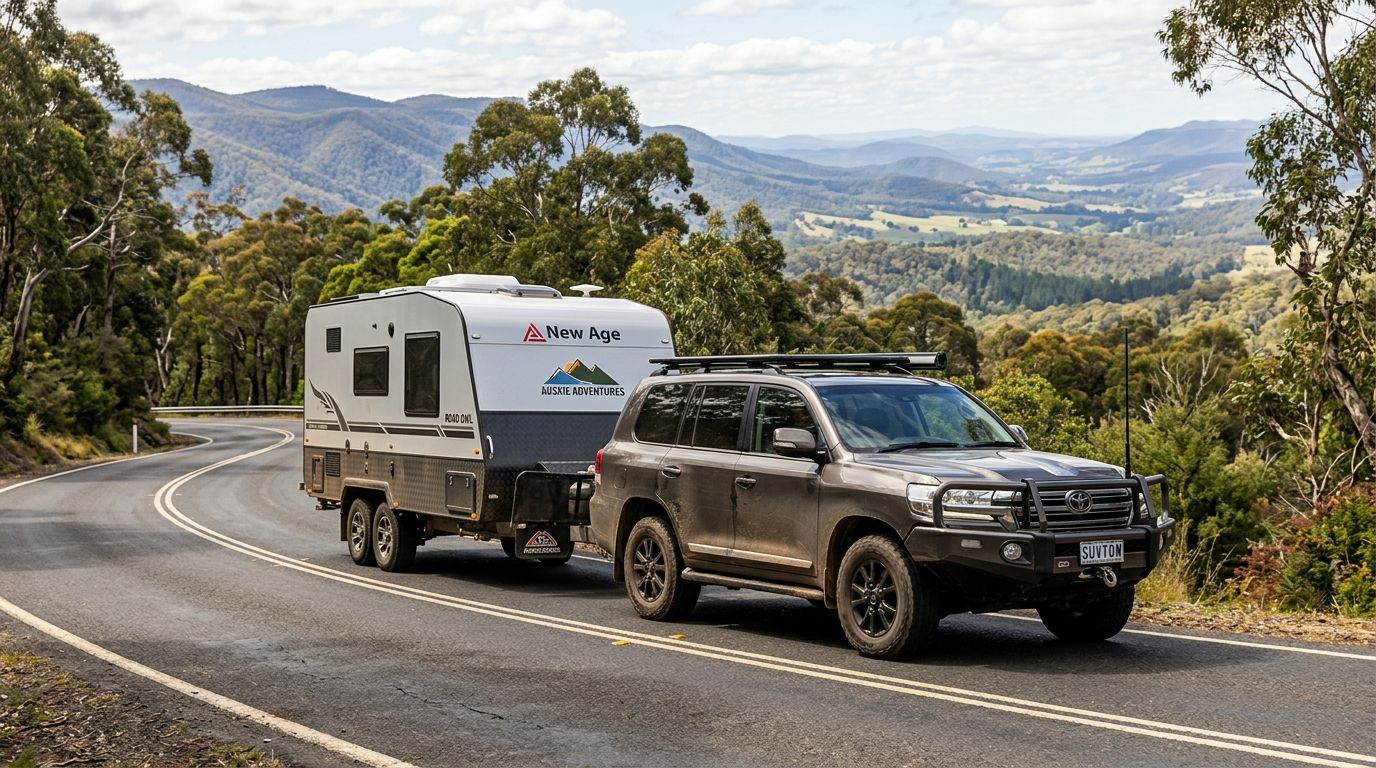
Buyers cross-shopping outside the European/Japanese luxury segment entirely — for size, ground clearance, or towing capacity — should compare against the Toyota LandCruiser buying guide before locking in a luxury import.
FAQ
What's the best used luxury import under $50,000 in Australia in 2026?
The Lexus IS (XE30 generation, roughly 2017-2020) is the best overall pick for reliability and running costs. The BMW 3 Series wins on driving dynamics if that matters more to you.
Is a Lexus IS more reliable than a BMW 3 Series?
Yes, based on aggregated owner reports and Toyota-backed engineering, the Lexus IS has a stronger reliability reputation than the BMW 3 Series once both are out of factory warranty.
How much does servicing a used Jaguar cost in Australia?
Jaguar servicing in Australia typically costs more than Lexus or Toyota-based rivals due to slower parts availability and fewer specialist workshops. Budget for higher servicing costs when buying a used XE or XF.
Are used luxury imports a good investment in 2026?
Used luxury imports are not investments — they're depreciating assets like any other used car. The value case in 2026 is buying after the steepest depreciation has already happened, not expecting the car to hold value.
What used luxury import holds its value best in Australia?
The BMW 3 Series and Lexus IS generally hold resale value better than Jaguar's XE and XF, which continue to depreciate faster than German and Japanese rivals.
Should I buy a European or Japanese luxury import used?
Japanese luxury imports like the Lexus IS generally cost less to run and hold value better. European imports like BMW and Audi offer stronger driving dynamics but higher repair costs once out of warranty.
How many kilometres is too many for a used luxury import?
There's no fixed number — a well-serviced European import with full history at higher kilometres often outperforms a poorly maintained car with lower kilometres. Full service history matters more than the odometer reading alone.
Is the Mercedes-Benz C-Class W205 a good used buy in 2026?
Yes, the W205-generation C-Class (2015-2021) is a solid buy for interior comfort and safety tech, provided you budget for Mercedes-specific diagnostic and servicing costs.
One last thing
The single biggest mistake buyers make with used luxury imports under $50,000 in Australia isn't the purchase price — it's skipping the pre-purchase inspection to save a few hundred dollars on a car that could cost thousands in unexpected repairs. Every import on this list rewards a proper inspection before the sale, and every one of them punishes buyers who skip it.